How to Identify the Best General Contractor for Your Next Home Project
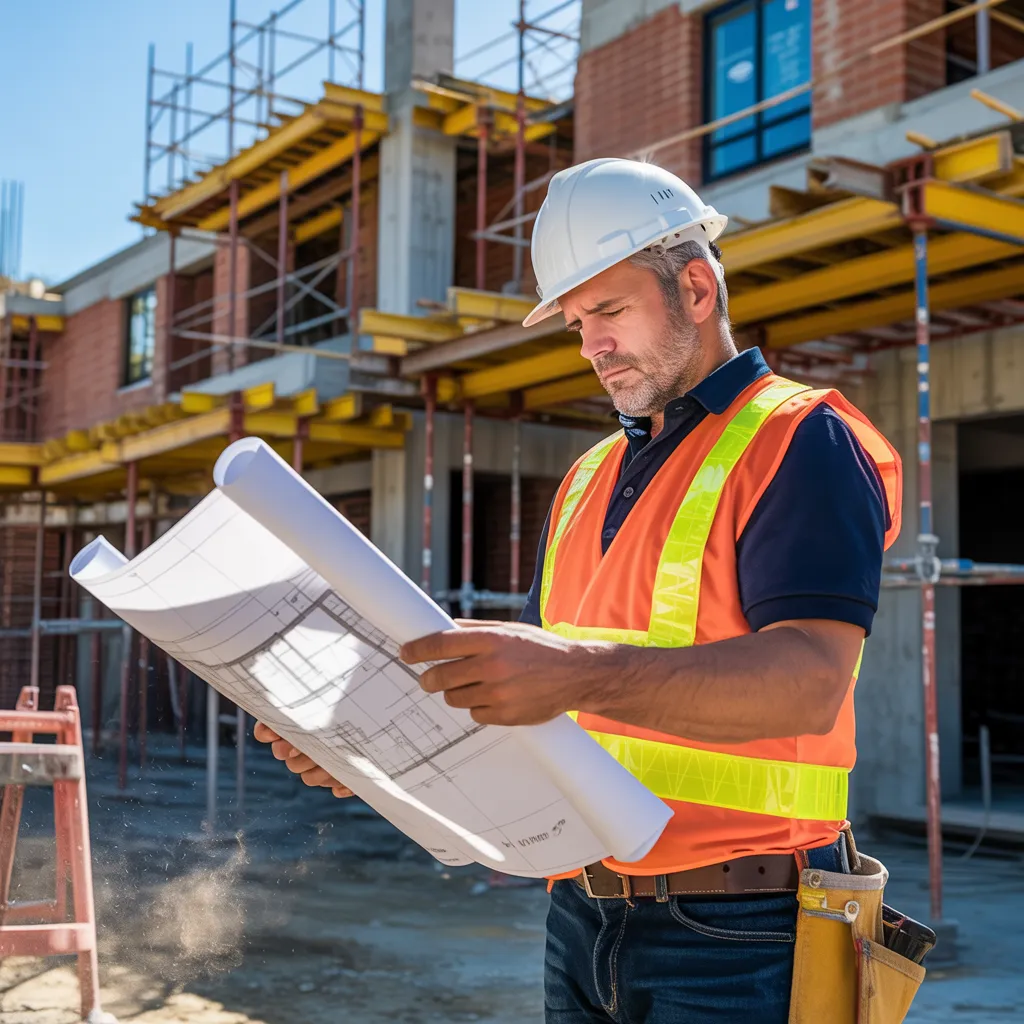
Finding the best general contractor for your home project is a important decision. It calls for careful evaluation of numerous factors, including experience, credentials, and ability to communicate. Plenty of property dwellers miss important points, leading to financial losses. Understanding how to examine prospective contractors can make a major difference. By concentrating on essential benchmarks and asking the right inquiries, one can work through this challenging process more successfully. What are the key procedures to ensure a fruitful working relationship?
How to Sidestep Common Pitfalls When Choosing a Professional
When picking a general contractor, how does one navigate the vast array of options without getting caught in usual mistakes? Prospective clients often neglect important elements that can lead to unsatisfactory outcomes. First, considering price alone can be misleading; the lowest bid may mean below-standard work or hidden costs. Additionally, overlooking testimonials or online feedback can result in hiring a contractor with a poor track record. It is also essential to steer clear of decisions based only on likability; a friendly contractor may not possess the necessary skills or reliability. Moreover, missing defined exchanges and requirements can lead to misinterpretations and unhappiness. Finally, not reviewing contracts thoroughly before signing can result in surprise commitments or absence of safeguards. By being vigilant and informed, homeowners can make more confident decisions, ultimately ensuring a fruitful endeavor.
Ways to Assess a Contractor's Track Record
When examining a contractor's experience, multiple important elements come into play. Relevant project experience, industry certifications, and an comprehensive collection of completed work function as essential markers of their competencies. Examining these elements can provide useful understanding into the contractor's fit for the specific project at hand.
Related Initiative Expertise
Grasping a contractor's applicable work history is crucial for ensuring the positive outcome of any construction endeavor. Potential customers should assess the contractor's portfolio, concentrating on finished work similar in scope and style to their own. This entails examining the caliber of craftsmanship, adherence to timelines, and cost control in previous undertakings. Additionally, it is advantageous to ask regarding the types of materials employed and the contractor's familiarity with area construction regulations and standards. Testimonials and references from previous customers can provide insights into the contractor's dependability and ability to communicate. Ultimately, a contractor with considerable applicable expertise can navigate challenges successfully, ensuring the project meets the homeowner's requirements and benchmarks.
Industry Certifications And Permits
Certification and authorization serve as essential indicators of a contractor's expertise and skills in the construction industry. When selecting a general contractor, it is vital to ensure they have the necessary licenses mandated by local and state regulations. Such licenses demonstrate compliance with building codes and safety standards. Furthermore, industry get going certifications, like those from the National Association of Home Builders or other similar organizations, signify a contractor's dedication to excellence and ongoing education. Specialists with particular certifications may also possess expertise in specific fields, such as green building or remodeling. Verifying that a contractor holds the proper credentials not only boosts confidence in their capabilities but also reduces potential legal and financial risks during the project.
Portfolio Of Completed Work
A professional's portfolio containing executed assignments is an vital means for judging their skill and qualifications. This selection should feature a diversity of works, exhibiting versatility in various styles and complexities. When reviewing a portfolio, possible buyers ought to look for high-quality pictures that clearly capture the artistry involved. It is helpful to find projects that align with the homeowner's specific needs or design tastes. Meticulousness, innovative solutions, and meeting deadlines are major evidence of a contractor’s competence. In addition, buyer feedback or detailed reports contained in the portfolio can provide deeper insights into the contractor's reliability and trustworthiness. Ultimately, a strong portfolio enables homeowners to make informed decisions about their future jobs.
How to verify Your Contractor's Qualifications and Permits
Before retaining a general contractor, it is necessary to substantiate their qualifications and certifications to confirm they meet industry standards. Start by contacting local licensing boards to establish that the contractor carries the required licenses for your jurisdiction and project type. Each state maintains its own requirements, so understanding them can eliminate downstream issues.
Furthermore, ask regarding insurance coverage, including liability and workers' compensation, to secure protection against potential accidents or damages. Collect references from previous clients and follow up to evaluate satisfaction and reliability.
Lastly, scrutinize any professional credentials the contractor may acquire, as these often demonstrate industry-specific training and observance of industry best practices. A thorough verification process not only guarantees compliance but also builds confidence in the contractor's ability to accomplish the project successfully.
Why Consistent Dialogue Is Key in Your Contractor Professional Relationship
Essential communication plays a key role in the relationship between contractors and clients, shaping the project's success from the outset. Clear dialogue sets expectations, timelines, and budgets, guaranteeing both parties are in agreement on the project's goals. When clients articulate their vision effectively, contractors can provide informed recommendations and solutions, improving the overall outcome.
Consistent communications and open lines of communication facilitate swift resolution of issues as they arise, minimizing potential delays. Additionally, a contractor who listens and responds to client feedback cultivates trust, which is essential for collaboration.
Furthermore, robust dialogue supports in managing changes and unforeseen challenges, maintaining the project on track. It enables the contractor to adjust strategies based on customer feedback, ensuring satisfaction throughout the undertaking. In the end, emphasizing dialogue not only strengthens the contractor-client bond but also greatly helps to the triumphant completion of the home project.
Fundamental Points to Put Forward to Your Contractor in Introductory Meetings
When first meeting with a contractor, clients should focus on understanding their experience and qualifications. It's critical to examine the project timeline and budget to confirm alignment with the client's expectations. These questions establish a foundation for a effective alliance and effective project management.
Experience and Qualifications
Choosing a general contractor depends heavily on understanding their experience and credentials. Homeowners should ask about the contractor's industry tenure and the range of projects completed. Asking specific questions about permits, certifications, and coverage is important, as these ensure compliance with local regulations and safeguard the project. Furthermore, looking over past work via work samples or client testimonials can highlight the contractor's quality and trustworthiness. It is also advantageous to ask about their experience with similar projects, since this can reflect their skill in managing particular challenges. In the end, reviewing a contractor's experience and qualifications inspires trust and helps homeowners make informed decisions about their home projects.
Project Duration and Expenses
boosting the chances of a successful project.
Tips for Checking References and Examining Reviews
What measures should one implement to ensure a general contractor is trustworthy? First, it is crucial to ask for a list of references from potential contractors. A reputable contractor will willingly provide names and contact information of previous clients. One should call these references to question regarding their experiences, focusing on aspects such as communication, quality of work, and adherence to timelines.
Additionally, perusing online reviews on sites like Google, Yelp, or Angie's List can offer useful insights. It is crucial to look for patterns in the comments—consistent compliments or complaints can indicate dependability or possible issues.
Furthermore, reviewing any grievances filed with local licensing boards or consumer protection agencies can reveal a contractor's background. Finally, asking for recent project photos can help assess the caliber of their craftsmanship. By taking these steps, one can make a more educated decision when selecting a general contractor.
Understanding Service Provider Rates and Billing Terms
Property owners should get to know standard payment terms. Most contractors request a deposit ahead of time, preceded by progress payments associated with project milestones. It's important to address these terms before entering into a contract to prevent misunderstandings. In addition, homeowners should question potential supplementary charges, such as permits or emergency repairs. Transparent dialogue regarding financial terms and costs will help foster a straightforward working relationship, ultimately achieving a successful project outcome. Grasping these elements provides homeowners the ability to make smart choices when picking a general contractor.
Frequently Asked FAQs
What Is the Duration for Finishing the Project?
Project timeline generally fluctuates depending on scope and complexity. Typically, it could require several weeks to months. Factors including climate conditions, material availability, and workforce availability can significantly impact the project completion schedule.
What Takes Place if Unexpected Issues Surface During Development?
If unforeseen issues arise during construction, the contractor usually assesses the circumstances, communicates with the property owner, and proposes options. Modifications to the timeline and spending may be needed, ensuring transparency throughout the process.
Will My Project Need Permits or Examinations?
Most projects require permits and inspections to ensure adherence with local construction standards. It is essential to speak with a general contractor who grasps these requirements, as they can navigate the permit procedures effectively.
How Do You Supervise Subcontractors and Their Financial Disbursements?
A reputable general contractor manages subcontractors by creating transparent contracts specifying payment terms. They guarantee punctual payments, keep ongoing communication, and track subcontractor work quality, creating a team-oriented atmosphere that supports project achievement and performance.
How Do You Handle Project Changes or Upgrades?
The contractor maintains a adaptable strategy to modifications to projects, demanding documented records for any upgrades. They ensure clear communication, evaluate financial impact, and adjust timelines accordingly to accommodate the client's evolving needs and preferences.